Your Team Is Watching. Especially When It's Hard.
Read Time: 3 min
Nobody tells you this when you get the promotion: your team is running a constant evaluation of who you are, and the data they weigh most heavily has nothing to do with your quarterly numbers.
It's your worst moments they're watching.
How you handle the equipment failure at 6am. Whether you stay steady when a client complaint lands on your desk. What your face does when the shift falls apart. How you talk about the people above you when things go sideways.
They are reading all of it. And they're using it to decide how much of themselves to give you.
"Culture isn't built in team meetings. It's built in the moments you didn't plan for."
What Your Worst Days Are Actually Building
Most supervisors think about culture as something they create through intentional effort. The all-hands meeting. The values statement. The recognition program. Those things matter, but they're not where culture is forged.
Culture is forged in pressure. In the moment you find out the shipment is wrong and you have to tell the owner. In the performance conversation you've been dreading. In the week where three things break at once and everyone is looking at you to see whether to panic.
What your team sees in those moments becomes the standard. Not what you say the standard is. What they watch you do under pressure.
A supervisor who stays composed when it's hard is telling their team: we can handle this. A supervisor who visibly falls apart, vents frustration on whoever is nearby, or disappears into their office is telling their team something very different.
Both messages get received. Both shape the culture.
Composure Is Not the Same as Calm
There is a version of this that gets misread.
Composure doesn't mean suppressing everything and pretending it's fine. It doesn't mean walking around in a crisis with a smile on your face while your team knows the situation is serious.
Composure means your people can still read you as functional. As someone who has assessed the situation and is operating from a plan, not from panic. As someone who is managing the moment rather than being managed by it.
The tools matter here.
Some moments call for the management approach: step in, assign roles, make decisions, control what can be controlled.
Other moments call for the leadership approach: help people reconnect to why the work matters, acknowledge what the situation is costing them, give them room to contribute to the solution.
The supervisor who can read which tool the moment requires, and reach for it instead of just reacting, is the one whose team will follow into the next hard thing.
Your Move This Week
Think about the last time things got hard at work. What did your team see from you?
Not what you intended. What they actually saw.
If the answer is something you're proud of, name what you did and do it again deliberately.
If it isn't, that's useful data. The next hard moment is coming.
You get to decide what they see because of what you do.
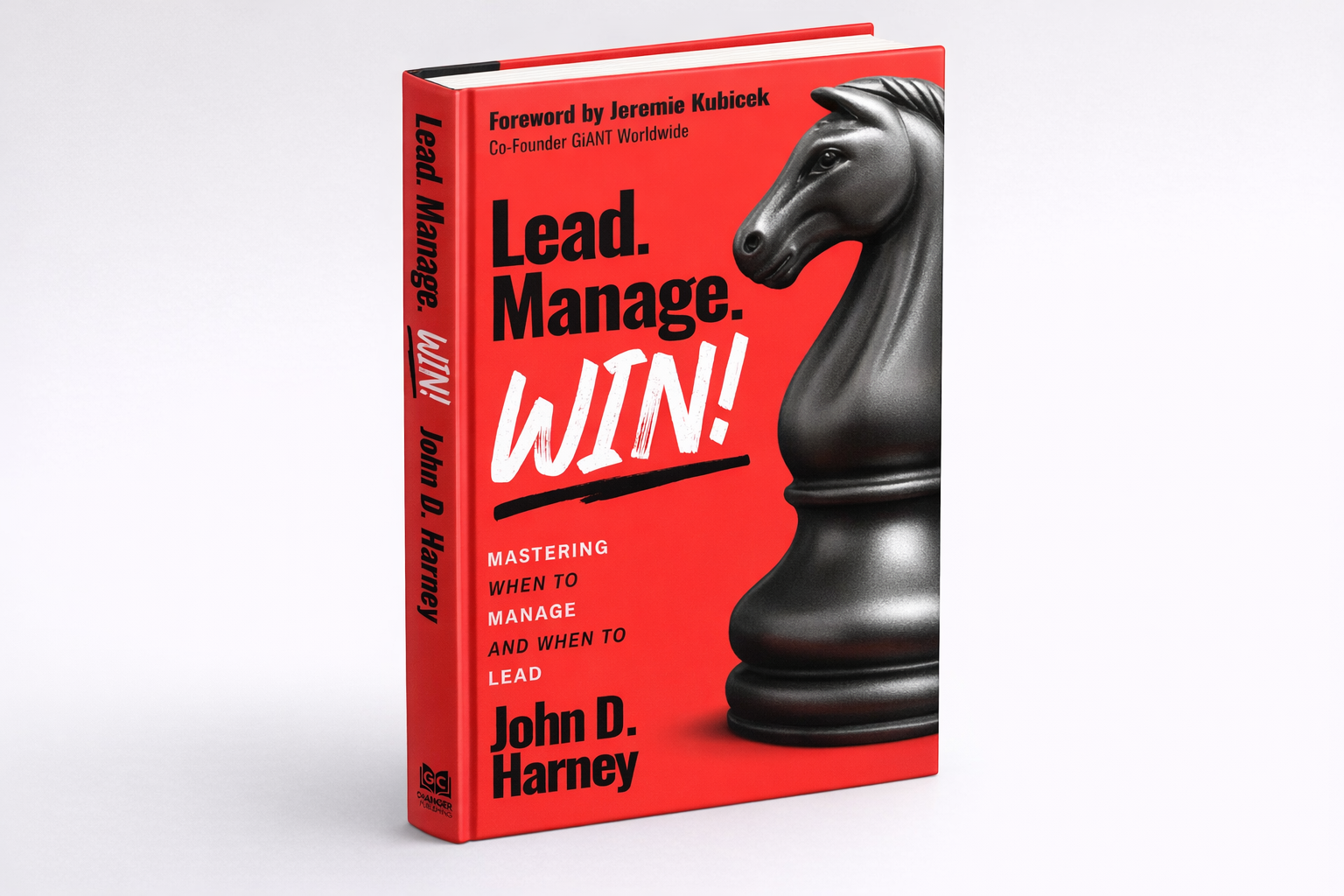
Get your copy of the Amazon Bestseller